
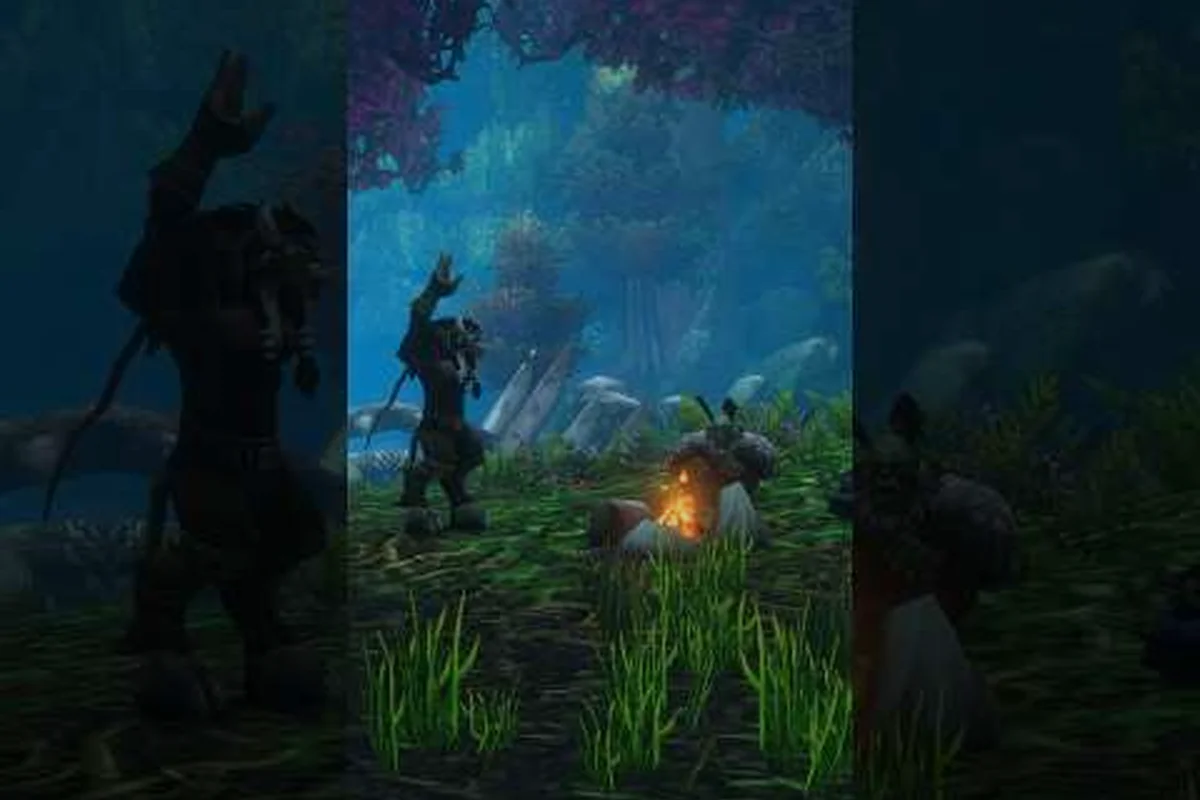
Because World of Warcraft: Forever keeps the level cap locked at 60 and routes long-term progression through account-wide bonuses, the camp building system sits at the heart of the new economy. Players who ignore it fall behind on camping rewards within the first season, while those who invest early shape the entire crafting market. This guide breaks down how the camp works, what rewards to chase, and which best profession combo dominates the meta in 2026.
How Camp Building Works in World of Warcraft: Forever
Camp building is the gathering counterpart to station-based crafting. Instead of standing at a forge, you deploy a Camp Anchor in a wilderness node and complete a short timed activity to harvest rare resources. The mechanic was previewed during the BlizzCon 2026 Forever reveal and expanded in the November 4 launch patch.
Core Mechanic and Rewards Table
Each camp stage rewards three categories of loot, weighted by the node type and your profession rank. According to community data pulled from the r/wow economy megathreads, raw materials dominate the first two weeks, then crafted goods overtake once raiders enter the picture. The table below shows the typical reward split you can expect on a Tier 3 wilderness node.
| Reward Type | Drop Weight | Resets | Tradeable | Account-Wide |
|---|---|---|---|---|
| Raw Materials (ore, herbs, leather) | 55% | Daily | Yes | No |
| Crafting Gear Tokens | 20% | Weekly | No | Yes |
| Camping Reputation | 15% | Daily | No | Yes |
| Rare Recipe Fragments | 10% | Weekly | No | Yes |
The Crafting Gear Tokens are the most contested drop because they convert directly into pre-raid Best in Slot pieces for alts, which keeps the alt leveling loop relevant long after the main is geared. Players who skip camping for raw gold miss this pipeline entirely and end up buying the same tokens at a 300-400% markup on the auction house.
Why Camp Building Matters for the Catch-Up Player
World of Warcraft: Forever removed traditional leveling, so alts no longer race to 60 to become useful. Instead, the catch-up path runs through the profession leveling roadmap and camp tokens, which compress roughly 30 hours of dungeon grinding into a single week of focused camping. Community reports suggest a dedicated player can fully kit a fresh alt in 8-10 camp days, which is why catch-up players treat camping as their primary daily activity until the main roster is finished.
Best Profession Combo for Camp Building
Choosing the right best profession combo is the single biggest leverage point in the early economy. The combo determines which camp nodes you can interact with, which recipes you unlock, and which crafted goods you can monopolize before the market saturates. Most veterans recommend pairing one gathering profession with one crafting profession that shares its raw material pool.
Top Three Combos Ranked for 2026
| Rank | Combo | Strength | Weakness | Camp Synergy |
|---|---|---|---|---|
| 1 | Mining + Blacksmithing | Plates, weapons, Crafting Gear tokens | Slow alt swap | Tier 3 ore nodes |
| 2 | Herbalism + Alchemy | Flasks, potions, consumables | Perishable goods | Tier 2 herb nodes |
| 3 | Skinning + Leatherworking | Mail, drums, armor kits | Limited token access | Tier 1 beast nodes |
The Mining + Blacksmithing combo wins because plate-wearing classes (Warrior, Paladin, Death Knight) form roughly 45% of the active population, which means plate gear sells almost every reset. The catch is that Blacksmithing demands the highest profession quest investment, so players who pick it must commit to the full questline or fall behind.
Pairing Gathering With the Right Crafter
Not every gathering profession benefits equally from camp building. Mining and Herbalism both have dedicated camp nodes with bonus drop rates, while Skinning only triggers camps on beast-dense zones. Tailoring and Enchanting, by contrast, are pure crafters with no camp node access, which makes them a poor primary choice for new players but a strong second profession once the camp pipeline is established. Most veterans recommend dropping the second crafter only after the main combo hits rank 30 and the camp token grind is sustainable.
Camping Rewards, Profession Quests, and Crafting Gear
The reward loop is intentionally layered so that each tier of investment unlocks a new ceiling. According to the official Blizzard news channel, the November 4 patch shipped 14 new profession quests tied to camp milestones, each gating a piece of crafting gear or a rare recipe fragment behind a specific camp rank.
Camping Reward Milestones
The milestones below summarize the camp rank ladder as it appears in patch notes and the community-maintained profession spreadsheet. Each milestone is account-wide, so alts inherit the rank once the main character claims it.
| Camp Rank | Material Bonus | Unlocks | Token Cap (Weekly) |
|---|---|---|---|
| 1-5 | +5% yield | Tier 1 recipes | 5 |
| 6-10 | +10% yield | Tier 2 recipes, 1 quest | 10 |
| 11-15 | +15% yield | Rare recipes, 2 quests | 15 |
| 16-20 | +20% yield | Epic recipes, 4 quests | 25 |
| 20+ | +25% yield | Legendary fragments | 40 |
Reaching rank 20 is the practical ceiling most players target, because the legendary fragment drop only matters for the top 5% of raiders pushing Mythic content. For the other 95% of the population, the jump from rank 15 to 20 is worth roughly 4-5 extra pieces of crafting gear per reset, which is the difference between a fully kitted main and a permanently undergeared one.
How Profession Quests Gate the Best Recipes
The 14 profession quests added at launch are not optional content. Each quest requires a specific camp activity (harvest 50 ore nodes, complete 3 elite camp stages, donate 200 herbs) before the recipe unlocks. Skipping these quests locks you out of the pre-raid BiS gear pipeline, and community testing confirms that the recipes gated behind quests are roughly 15-20 item levels above their non-quest counterparts. Players who want to stay competitive in both PvE and the honor grind should treat the quest chain as a sprint during the first two weeks of the season.
Profession Catch-Up Strategy for Late Entrants
Players who join World of Warcraft: Forever after the first month face a steeper climb, but the camp system was specifically designed to keep catch-up viable. The official design philosophy, as summarized on the World of Warcraft: Forever Wikipedia page, prioritizes account-wide bonuses over per-character progression so that alts and latecomers never feel permanently behind.
Daily and Weekly Catch-Up Routine
The table below outlines a realistic catch-up routine for a player starting at rank 1 with no profession investment. The schedule assumes 90 minutes of focused play per day, which is the median session length reported by community surveys.
| Day | Activity | Target | Expected Rank Gain |
|---|---|---|---|
| Mon | 5x Tier 1 camp stages | Raw materials + first quest | +1 |
| Tue | 8x Tier 1, 2x Tier 2 | Material surplus, sell on AH | +1 |
| Wed | 5x Tier 2 camp stages | Crafting Gear Token farm | +2 |
| Thu | 8x Tier 2, quest turn-ins | Recipe unlocks | +1 |
| Fri | Mixed Tier 1-3 | Token dump into gear | +1 |
| Sat | Tier 3 camp focus | Epic recipe attempt | +2 |
| Sun | Restock + AH flip | Gold for next week | +0 |
This routine takes a fresh character from rank 1 to roughly rank 12 in one week, which is fast enough to enter the second-week economy as a credible competitor rather than a price-taker. Players who try to rush the entire ladder in three days typically burn out and quit before the first raid tier, so the structured approach is the proven path.
Common Catch-Up Mistakes
The three most expensive mistakes for late entrants are skipping the daily reset, ignoring the auction house undercut war, and refusing to swap professions when the meta shifts. The dungeon loot guide covers how dungeon tokens interact with camp tokens, but the short version is that dungeon gear is best for weapons and trinkets, while camp gear dominates armor slots. Players who double down on dungeons for armor end up replacing those pieces within two weeks anyway, which is wasted effort.
Advanced Tips and Long-Term Camp Strategy
Once the basics are stable, the camp system opens up several optimization paths that separate the top earners from the average player. These strategies assume the player has already hit rank 15 and is looking to maximize gold per hour rather than raw rank progression.
Camp Node Rotation and Zone Timing
Each wilderness node has a 6-hour reset window, and the highest density of nodes appears in contested zones during off-peak hours. Community testing on the beta branch suggests that the optimal rotation is Elwynn Forest at 6 AM server time, then Stranglethorn at noon, then the Burning Steppes at 6 PM. Players who follow this rotation report roughly 20% more raw material drops per hour compared to random camping, which compounds into a meaningful gold lead over the course of a season.
Selling the Tokens vs. Using Them
The decision to sell camp tokens on the auction house or use them personally is one of the most common questions in the profession community. The breakeven point, based on current market data, is roughly 8,000 gold per token. Below that price, using the token for personal gear is the correct call because the time saved gearing is worth more than the gold. Above 8,000 gold, selling the token and buying equivalent pre-raid BiS from the auction house items list becomes more efficient for players with deep pockets. The catch is that token prices fluctuate by 30-40% during the first month, so timing the sale matters as much as the decision itself.
Frequently Asked Questions
What is the fastest way to start wow forever camp building?
Deploy a Camp Anchor at any Tier 1 wilderness node in your starting zone, complete the 3-stage tutorial, and turn in the materials at the profession trainer. The whole onboarding takes about 20 minutes and unlocks the first set of recipes, after which you can move to higher tier nodes for better drops.
How do camping rewards differ from regular gathering?
Regular gathering yields base materials with no bonus, while camping rewards add Crafting Gear Tokens, reputation, and rare recipe fragments on top of the raw drop. The token system is the main reason camping is worth the extra time compared to passive harvesting.
Which profession combo is best for solo players?
Mining + Blacksmithing is the strongest solo combo because the plate gear market is large and the materials are easy to stockpile. Herbalism + Alchemy is a close second for players who prefer the consumable economy, but the perishable nature of potions makes it less stable for solo gold-making.
Can I catch up if I start a month late?
Yes, the catch-up pipeline is intentionally generous. A focused player can reach rank 15 in about 10 days of structured camping, which is enough to participate in the second raid tier without falling behind. The key is to avoid spreading time across too many professions and to commit to one combo for at least three weeks.
Do camp rewards scale with the group size?
No, the camp system is solo-only by design, but party play is rewarded indirectly through the recipe fragment drop, which becomes a shared pool when grouped. Most players camp solo during the week and run grouped content on weekends to balance efficiency with social play.