
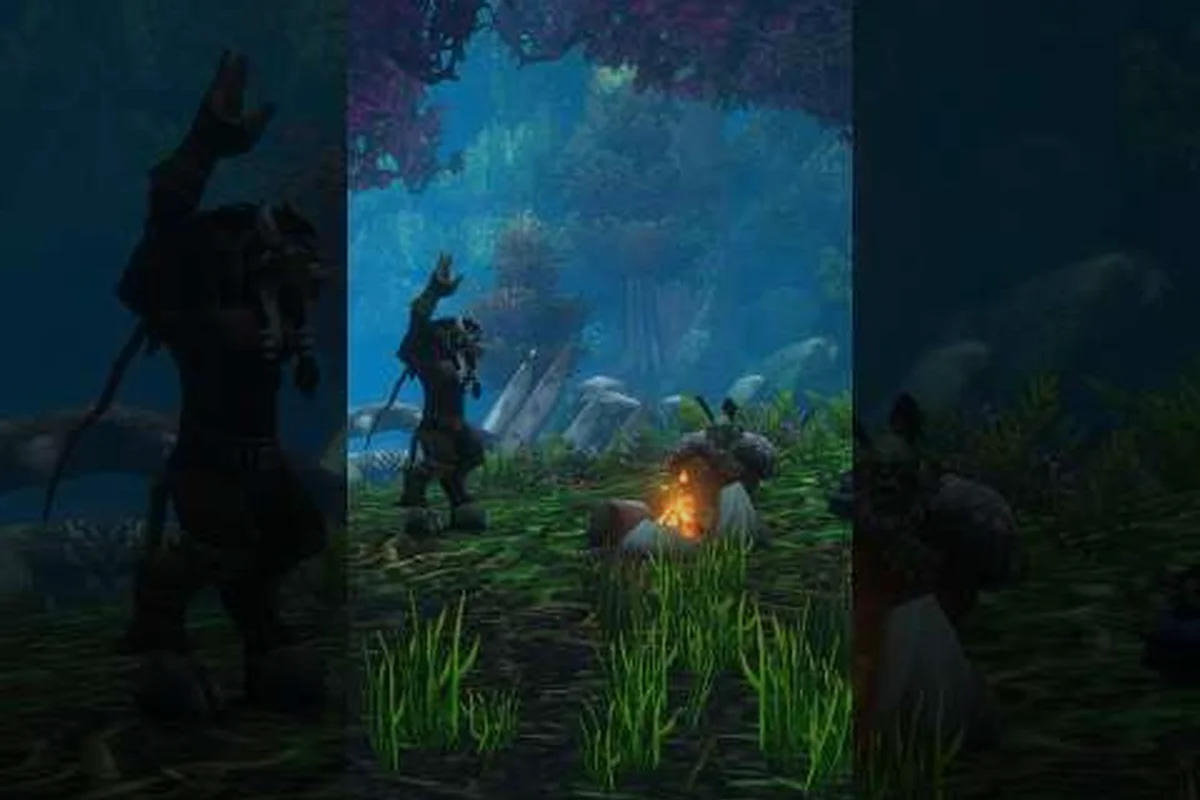
Gold is the spine of the entire World Of Warcraft: Forever economy, and learning how to earn it efficiently before the November 4, 2026 launch window will save every player hours of frustration. Because the level cap stays fixed at 60 and progression flows through gear, attunements, and Legacy bonuses rather than another level bracket, the first weeks of the expansion will be a routing race for cloth, ore, herbs, and dungeon drops that other players are willing to overpay for. This wow forever gold making guide collects the most reliable farming paths, the safest auction house flips, and the profession pairings that beta testers are already reporting as profitable so you walk into launch day with a plan instead of a prayer.
Why Gold Matters More in World Of Warcraft: Forever
Forever is built on the original Azeroth rather than a remake of it, and Blizzard has positioned it as a permanently supported branch that sits alongside Retail, Classic, Classic Era, and Season of Discovery. According to the official World Of Warcraft: Forever product page, progression comes from new quest lines, abilities, gear, and systems rather than a moving level cap. That horizontal endgame shifts gold pressure from leveling consumables into three end-state sinks: attunement materials, Legacy-tier gear upgrades, and consumable demand from raid and dungeon groups running on compressed weekly schedules.
The community has already noted in early coverage that the first weeks are about routing quest hubs efficiently instead of rushing to a higher bracket, which is exactly the environment where a player who has memorized the best farming loops pulls far ahead. Because Forever's level cap never moves past 60, the demand curve for leveling bags, food, and water stays lower than in traditional Classic; meanwhile raid prep, gear embellishment, and Legacy consumables spike almost immediately.
| Demand Category | Why It Spikes Early | Gold Sink Pressure |
|---|---|---|
| Leveling gear / bags | Lower than Classic because no level grind | Mild |
| Raid consumables (flasks, food, scrolls) | Two raids at cap, compressed schedule | Heavy |
| Attunement materials | Horizontal endgame demands them | Heavy |
| Legacy-tier enchants | New gear upgrade track | Moderate |
| Mounts / tabards / cosmetics | Permanent branch, long-term collectors | Steady |
Reading that table, the obvious move is to skip the leveling-gold grind and pre-position yourself in the post-60 economy before the rush hits. Every gold piece you bank in the first week is worth several during week three because reagent prices collapse once the market saturates, and the items that stay expensive are the ones tied to raid attunement and Legacy bonuses that only unlock after the dungeons and raid attunement chains are complete.
The Wikipedia entry on World Of Warcraft: Forever confirms the September 17, 2026 opt-in beta, which means the next several weeks are the last chance to test routes in a live environment and lock in muscle memory before the population floods in. Treat the beta as a paid practice round: every cloth bolt, every stack of peacebloom, and every copper you pick up there is a real data point for the launch economy.
Best Farming Routes for the First Two Weeks
Farming routes are the bedrock of any wow forever gold making guide, and Forever's design rewards players who chain tight loops rather than chase single high-value mobs. The horizontal endgame means mobs and herbs respawn on a fixed timer that hasn't been accelerated the way Season of Discovery's timers were, so a loop you can complete in 4-5 minutes will give you a consistent per-hour return.
Cloth and Early Raw Materials
The cloth economy is the most forgiving entry point because it requires no profession investment and zero attunement. Level 30-45 humanoids in contested zones drop the highest yield per kill, and because Forever returns to vanilla mob density rather than Cataclysm-era thinning, you can sustain a respectable per-hour rate without a premium weapon. The classic three-loop pattern still works: a path that crosses a cave, a ruin, and a road so the respawn timer overlaps with your travel time.
| Route Tier | Mob Level | Cloth Type | Est. Gold / Hour | Risk |
|---|---|---|---|---|
| Starter | 30-40 | Linen / Wool | 8-12g | Low |
| Mid | 45-55 | Wool / Silk | 15-25g | Medium |
| Endgame Pre-60 | 55-60 | Silk / Mageweave | 30-45g | High (contested) |
Pair cloth farming with skinning if the zone has beasts, because the leather and cloth share a kill and the skinning timer runs on its own clock. Players who also have a gathering profession double their raw-material income without doubling the time investment, which is why a combined cloth + skinning or cloth + mining loop is the canonical launch-week strategy.
Herb and Ore Hotspots
Herbs and ore have always been the gold-floor professions in vanilla-flavored expansions, and Forever's compressed timeline makes them even more important because consumable demand spikes before most players have leveled their alts. The beta indicates that the standard level 50-60 herb zones retain their original density, while a few nodes have been repositioned to support the new quest hubs.
| Material | Typical Vendor | Auction Floor (Est.) | Volatility |
|---|---|---|---|
| Peacebloom | Alchemy alt | 1-2s each | Low |
| Silverleaf | Alchemy alt | 1-2s each | Low |
| Earthroot | Alchemy alt | 2-3s each | Low |
| Mageroyal | Alchemy alt | 4-6s each | Moderate |
| Briarthorn | Alchemy alt | 6-10s each | Moderate |
| Stranglekelp | Alchemy alt | 12-18s each | High (water nodes) |
| Gold Ore (auction) | Blacksmith alt | 3-5g / stack | High (week 1) |
The trick with herbs is to treat them as a profession feeder rather than a vendor. A stack of briarthorn that vendors for 60 silver is worth 4-5 gold once milled into pigment and turned into an alchemist's reagent, so the real gold-per-hour number comes from the finished good, not the raw node. The wow forever professions guide ecosystem rewards players who plan two steps ahead: gather now, mill or smelt tonight, post the finished product tomorrow.
If you want a more detailed leveling path on the gathering side, the WoW Forever profession leveling walkthrough covers skill breakpoints and recipe unlocks that align directly with the gold routes above.
Auction House Flips That Actually Move in a New Economy
The world of warcraft forever auction house guide is short on patience and long on attention, and the first 72 hours of any new economy are the most profitable window for anyone who watches the market. Because the beta population is a small fraction of the launch population, prices that look stable in the beta are guaranteed to shift dramatically once real money and real alt armies start competing.
Identifying Undercut Windows
A flip works because two players posted the same item at different prices within the same hour, and you buy the cheap one and repost the expensive one. The first three days of any expansion are full of these windows because players are still learning the value of items, especially the new Legacy-tier reagents and the attunement components that don't exist in any prior expansion.
| Flip Category | Buy Signal | Sell Window | Margin Risk |
|---|---|---|---|
| Legacy Reagents | Posted under 50% of median | Same day | Low (no competition) |
| Attunement Tokens | Undercut by 10%+ in evening | Next morning | Moderate |
| Raid Consumables | Posted in bulk at lunch | Pre-raid window 6-8pm | High (volatile) |
| Cosmetic / Mount | Rare drop, patient post | 2-4 weeks | Low (steady climb) |
A common early mistake is trying to flip raid consumables during the first week, because raid groups are still forming and demand is spiky. A safer early bet is Legacy reagents and attunement materials, which have a known floor because they are required for the gear-upgrade track regardless of how many players are raiding. Once week two hits and raid schedules normalize, consumables become a higher-margin flip because you can predict demand windows based on the raid schedule patterns noted in our dungeon and raid overview.
Reposting and the 48-Hour Rule
The 48-hour rule is simple: never list an item for longer than 48 hours without repricing. Items that don't sell in two days are usually priced above the new market floor, and the gold is sitting in the deposit. Repricing is also the easiest way to short-circuit undercut wars, because most undercut bots reprice every 30 minutes during peak hours but rarely post fresh, so a manual relisting at 6 AM can sit unchallenged for hours.
| Reprice Strategy | Best Window | Why It Works |
|---|---|---|
| Cancel and repost at 6 AM | Pre-raid buyers restock | Avoids bot undercut |
| Bulk listing right after reset | Daily reset (3 AM server) | Captures impulse buys |
| Weekend cleanout (Sunday) | Before reset | Catches returning players |
| Hold rare drops 7-14 days | After initial flood | Resists price collapse |
Profession Pairings That Pay for Themselves
The wow forever professions guide conversation usually defaults to "pick two gatherers," but the launch economy actually rewards a tighter pairing strategy. Gatherers are saturated in week one because every returning player remembers them; what is undersupplied is the finishing profession that turns raw materials into something the gatherer can't post themselves.
| Pairing | Gather Side | Finish Side | Why It Wins |
|---|---|---|---|
| Mining + Blacksmithing | Ore, stone | Weapons, keys | Self-sufficient gear, key smithing |
| Herbalism + Alchemy | Herbs | Flasks, potions | Highest raid demand |
| Skinning + Leatherworking | Hides, scales | Armor, drums | Armor upgrade track demand |
| Mining + Engineering | Ore, stone | Bombs, gear | Bombs spike on raid release |
| Herbalism + Inscription | Herbs | Offhands, glyphs | New inscription content |
Alchemy is the consensus strongest gold profession at launch because flasks and elixirs are mandatory for every raid night, and the mats cannot be skipped. Herbalism into Alchemy covers both sides of the trade: you control your own material cost, so your margin is the finished price minus milling time rather than the finished price minus whatever the herb auction floor is that day.
Blacksmithing and Mining is the second-strongest pairing for a different reason: you can craft your own pre-raid gear, which removes one of the largest gold sinks from your launch budget. A player who self-crafts a full blue set at level 50 keeps 50-80 gold in their pocket compared to buying that set off the auction house, and that gold compounds when you reinvest it in Legacy materials for week two.
| Profession | Launch Gold Tier | Long-Term Value | Skill-Up Difficulty |
|---|---|---|---|
| Alchemy | S | High | Medium |
| Blacksmithing | A | High | Hard |
| Enchanting | A | Steady | Medium |
| Engineering | B | Spiky | Hard |
| Leatherworking | B | Steady | Medium |
| Tailoring | B | Steady | Medium |
| Inscription | A | High | Medium |
If you want addon support to track your profession cooldowns, the WoW Forever dungeon and UI addon overview covers threat meters, boss mods, and action bar setups that indirectly help you keep farming routes tight while your professions are on cooldown.
Dungeon and Raid Prep as an Indirect Gold Engine
Most players separate dungeon and raid prep from gold making, but in Forever's compressed endgame the two are inseparable. Every dungeon run drops vendor trash, cloth, and BoE greens that other players will pay a premium for because they want a head start on attunement. The horizontal endgame means the dungeon pool stays relevant for months, and players who are still running pre-raid content for alt characters are a constant buyer base for mid-tier BoEs.
BoE Greens and the Attunement Tax
The first week of any expansion is when mid-level BoE greens sell for the most ridiculous prices, because every leveling alt wants to skip the 5-10 silver per repair cost. A blue-quality weapon that drops in a level 40 dungeon can easily post for 3-5 gold because the buyer is comparing it to a 30-silver vendor alternative and concluding it's worth the premium. That premium collapses by week three, so the first-week BoE flip is one of the highest-margin gold moves in the entire launch calendar.
| BoE Slot | Common Drop | Avg. Week 1 Price | Week 3 Price |
|---|---|---|---|
| Weapon | Level 40-50 blue | 3-5g | 50s-1g |
| Chest | Level 50-60 blue | 2-4g | 30-80s |
| Legs | Level 50-60 blue | 1-3g | 30-60s |
| Trinket | Dungeon rare | 5-10g | 1-2g |
If you are planning a dungeon-first leveling path to reach 60 faster, the WoW Forever dungeon loot and attunement guide walks through which dungeons drop the most vendor trash, which have BoE world drops, and where the attunement materials come from. Pairing that knowledge with a level-60 alt parked in Stormwind or Orgrimmar lets you post dungeon drops the moment the run ends, which is how serious dungeon farmers extract gold without ever stepping into a raid.
Raid Prep Spending vs. Raid Prep Earning
Raid prep looks like a gold sink because consumables, repairs, and gear embellishment costs add up, but the players who profit from raids are the ones who treat their raid as a profession trainer. Every boss kill is a chance at a BoE epic that posts for hundreds of gold, every trash pack is a cloth and vendor trash pile, and every disenchant is a chance to bank rare reagents that other enchanters are desperate to buy.
| Raid Spending | Avg. Per Night | Mitigation Strategy |
|---|---|---|
| Flasks (1 per night) | 4-8g | Pre-buy at price floor |
| Food / drink | 2-4g | Cook yourself or buy Sunday |
| Repair bills | 1-3g | Run with a guild repair pot |
| Enchants on gear | 10-20g (one-time) | Farm mats yourself |
| BoE epic carry | Earns 50-200g | Bank and post on reset |
The mitigation column is where real gold is preserved, because most raid nights lose 15-30g in avoidable spending. Players who buy consumables on a Sunday price dip, who bank materials for their own enchants, and who carry a guild repair pot into the raid walk away with more gold than they walked in with, even on a clear night with no epic drops.
For a deeper look at the raid schedule, attunement requirements, and how to slot dungeon gear into your pre-bis path, the WoW Forever gear chase and group finder guide covers the schedule, attunement, and endgame loop that surrounds the dungeon and raid preparation cycle.
Advanced Gold Tactics for Beta-Tested Players
Once you have the basics locked in, the next layer of gold optimization comes from beta-era knowledge that the average launch player won't have. Beta testers have been running the same loops, watching the same auction houses, and reporting the same bugs since September 17, and the consensus that has formed in the first six weeks of beta is unusually tight for a Blizzard product.
Market Reset Awareness
Daily and weekly resets move prices in predictable ways, and a player who understands those moves can time their posts to capture the highest bidder. The 3 AM server reset is when consumable demand spikes briefly as raid preppers restock, and the Sunday evening window is when weekly gold spenders cash out their saved gold on cosmetic items.
| Reset Event | Time | Market Behavior | Best Action |
|---|---|---|---|
| Daily reset | 3 AM server | Brief demand spike | Post consumables |
| Raid prep window | 6-8 PM | High demand, low supply | Hold inventory |
| Sunday evening | All evening | Cosmetic buy pressure | List rare items |
| Tuesday maintenance | After patch | Price chaos | Buy the dip |
Avoiding Common Gold Drains
Most gold losses aren't from bad flips; they are from avoidable repair bills, missed crafting, and overpaying for convenience. Players who self-craft their leveling gear, who bank their own flasks, and who always check the auction house before buying from a vendor keep 20-30% more gold than players who treat gold as a renewable resource.
-
Repair bills: bank a guild repair fund or run with a guild repair pot; repair costs add up to 50-100g across a full leveling grind.
-
Vendor vs. AH: always check the auction house before buying bags, food, or arrows, because the auction house is almost always cheaper past the first week.
-
Profession crafts: don't skip crafting your own gear, because the materials are cheaper than the finished product and you keep the skill-ups as a side benefit.
-
Quest rewards: gold rewards on quests are usually a worse deal than vendor items, so check the vendor value before turning in.
-
Disenchant vs. vendor: greens that no one will buy should be disenchanted for the rare material rather than vendored for 5-10 silver.
Putting It All Together: A Launch-Week Plan
A solid launch plan combines one reliable farming route, one disciplined auction house schedule, and one profession pairing that supports both. The plan below assumes a player who has 2-3 hours per day to dedicate to gold making during the first two weeks of the November 4 launch window.
| Day | Focus | Activity | Est. Daily Gold |
|---|---|---|---|
| Day 1-2 | Leveling | Quest route + cloth farming | 30-50g |
| Day 3-4 | Profession unlock | Gather + mill / smelt | 50-80g |
| Day 5-6 | Auction house | Post finished goods, flip BoEs | 80-120g |
| Day 7-10 | Pre-raid prep | Farm raid mats, self-craft gear | 100-150g |
| Day 11-14 | Raid cycle | Attend raids, post BoE epics | 150-300g |
By the end of week two, a player who follows this plan should be sitting on 800-1500 gold, which is enough to cover a full set of pre-bis gear, two weeks of consumables, and a starter Legacy reagent stockpile for week three. The plan is intentionally simple because the launch economy punishes complexity: a player who is running four different farms is splitting attention, while a player running one tight loop plus a clean auction house schedule is compounding returns.
The biggest edge in any wow forever gold making guide is the discipline to stick with the same loop for two weeks, because most players burn out and switch routes every time a YouTuber claims a new spot. The beta community is already reporting that the first week of farm results cluster tightly around the same handful of zones, which means the first player to lock in their loop has a two-week head start on anyone still theorycrafting.
Frequently Asked Questions
What is the fastest way to make gold at launch in WoW Forever?
The fastest launch-week strategy is a cloth + skinning farming loop in a level 45-55 humanoid zone paired with a daily auction house posting of finished leather and cloth stacks. The wow forever gold making guide consensus from beta testers is that gathering routes are saturated within the first 48 hours, so the real edge is having a finished-goods pipeline ready before the rush.
How does the Auction House differ from Classic WoW?
The world of warcraft forever auction house guide rules are functionally identical to Classic, with two differences: the deposit structure is tuned to the new economy, and Legacy reagents are a new category that has no Classic precedent. Forever uses the same 48-hour listing window, the same undercut dynamics, and the same deposit-vs.-profit math as Classic, so any Classic-era flipping skill transfers directly.
Which professions make the most gold in WoW Forever?
Alchemy + Herbalism is the highest-earning pairing because flasks and elixirs are mandatory for raid nights and the material side is the largest gold sink in the game. Blacksmithing + Mining is a close second because it removes the gear-upgrade gold cost entirely, and Engineering + Mining catches a raid-night spike on bombs and ammunition.
Do dungeons actually help with gold making?
Yes, dungeons are one of the strongest indirect gold engines because every run drops vendor trash, cloth, and BoE greens that post for premium prices during week one. The world of warcraft forever dungeon guide loop also feeds the attunement material chain that raid-prep players are willing to overpay for, especially in the first 14 days.
How should I prep for raids without losing gold?
Bank your own consumables, self-craft your pre-bis gear, and carry a guild repair pot into every raid night. Players who spend 15-30g per night on avoidable consumables, who buy raid gear instead of crafting it, and who vendor greens instead of disenchanting them leak gold that compounds into 100+ gold by week two.